Easy Measuring Liquid Volume Worksheet Ideas for 2nd & 3rd Grade
Teaching measuring liquid volume can feel a little abstract for students—but it doesn’t have to be.
With the right hands-on activities and a clear measuring liquid volume worksheet, students can actually see and understand how liquid measurement works (and it gets way more engaging, too).
If you’re looking for low-prep measuring liquid volume worksheets and activities,
Grab the measuring liquid volume worksheet pack →
In this post, you’ll find simple and engaging ways to teach liquid volume, along with measuring liquid volume worksheet ideas for 2nd and 3rd grade students.
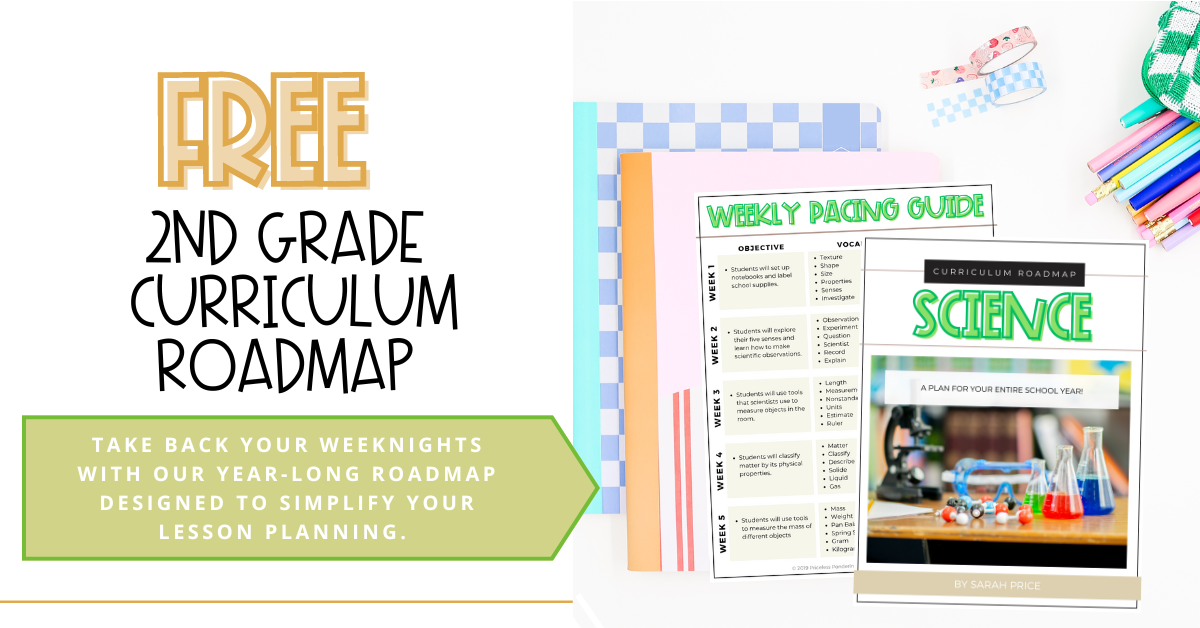
Stay ahead of the game with MY FREE curriculum roadmap for science. These free resources will help you map out your yearly lesson plans!
GRAB THEM FOR FREE HERE!
Make Teaching Liquid Volume Easy
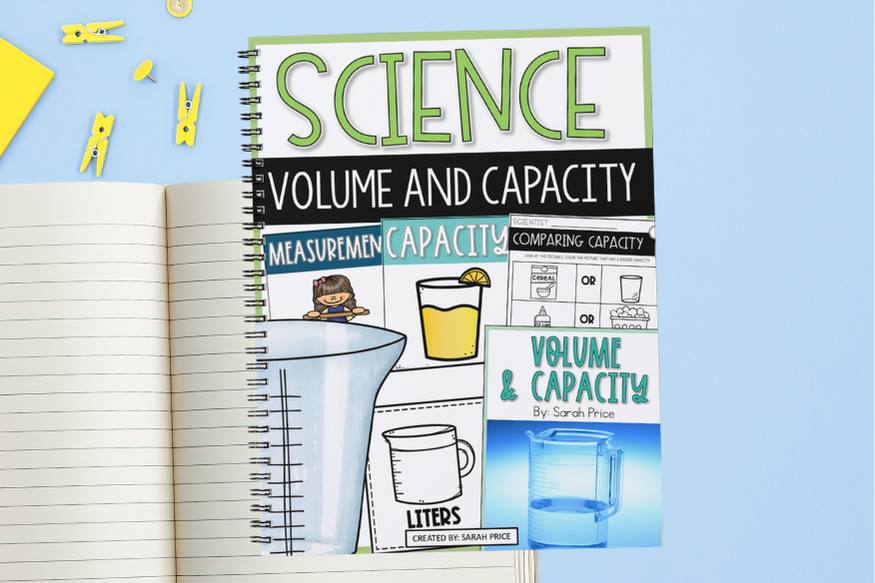
If you’re looking for a simple, low-prep way to teach liquid measurement, this resource has everything you need:
- Measuring liquid volume worksheets
- Hands-on activities
- Task cards and practice pages
The Importance of Volume and Capacity
Measuring liquid volume and capacity can be so important. It is often the foundation to complex math problems students will face in school. And it’s not just about the math – it’s about mastering those everyday tasks too. Pouring the perfect glass of milk, making sure the bath is just right, or nailing that recipe to impress your friends are all reasons why we need to know how to measure liquid volume.
Liquid Volume vs. Capacity
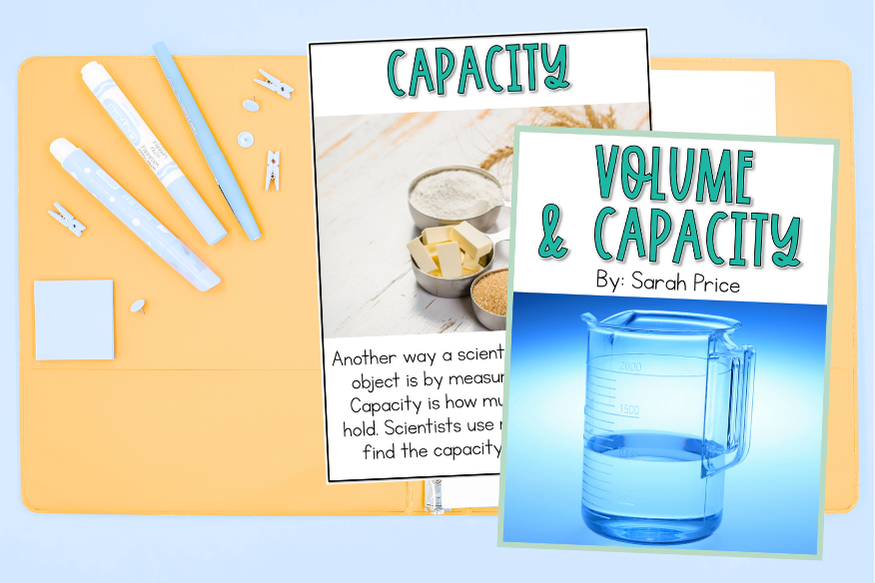
The first part of teaching students about the volume of a liquid is helping them understand that liquid volume involves the amount of space an object takes up. In contrast, capacity refers to the maximum amount a container can hold. These concepts lay the groundwork for comprehension in science and mathematics and the basic ability to measure in general.
How to Teach Liquid Volume vs. Capacity
Teaching students about the difference between the volume of liquids and capacity can be a blast with a bit of creativity! Imagine transforming your classroom or home into a mini-laboratory where every learner becomes a junior scientist. Start by setting the stage with everyday items – think water bottles, measuring cups, and even different-sized containers.
Here’s a tip to make it stick:
Show students that volume is all about the amount of liquid in a container, such as filling a measuring cup with water, while capacity is about how much a container can hold. Have kids compare a small glass to a big jug to see the difference in capacity.
You can also try a fun experiment to teach the difference. Have kids pour water from different containers into a graduated cylinder to see the volume of the container. As they do this, they’ll not only know the difference in capacity but also measure the volume of liquid each holds. This is a fantastic way for students to see different units of measurement.
Measuring Liquid Volume Worksheet Activities for the Classroom
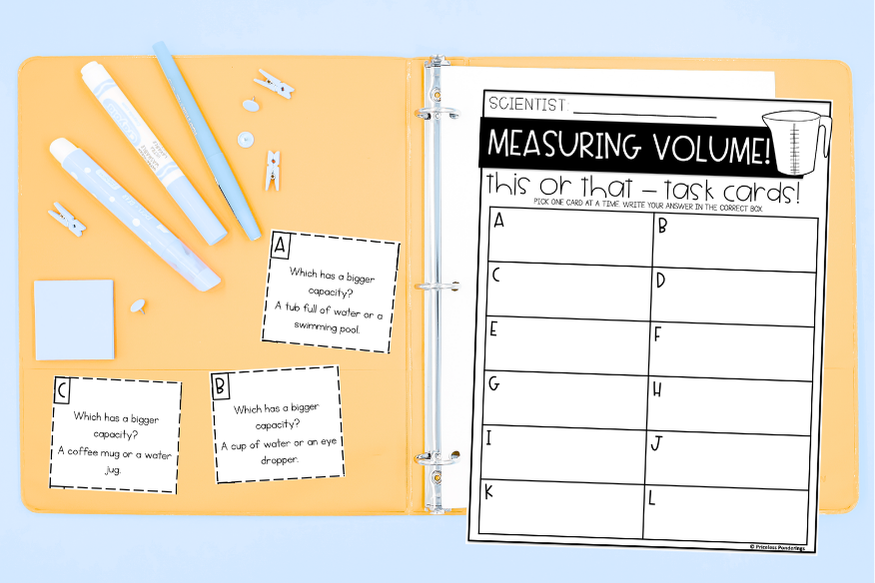
Whether you are teaching metric units or customary units, these activities are a great addition to your lesson plans. Liquid measurement units, like fluid ounces, milliliters, teaspoons, tablespoons, quarts, pints, and gallons, can initially appear abstract and challenging to grasp.
However, through engaging in hands-on activities and interactive worksheets, children can quickly master this important skill. Also, the use of the iconic gallon man can make the information memorable and provide children with robust learning tools. These strategies will make learning more enjoyable and will give kids a foundation they can rely on in the future. This approach helps demystify these units, making them more accessible and understandable for young learners.
👉 If you want all of these activities ready to go, you can grab the full measuring liquid volume worksheet pack here → Measuring Liquid Volume Worksheet Pack
Fun Activity #1: Kitchen Concoctions
Nothing brings the concept of customary units to life like a good old kitchen experiment. Gather your junior chefs around and pick a simple recipe that calls for various measurements. Think cookies, lemonade, or even a salad dressing. As you go through the recipe, have each child measure out the ingredients using teaspoons, tablespoons, cups, and quarts. It’s a delicious way to see these units in action, and the best part? You get to enjoy a tasty treat at the end of the lesson!
If you want all of these activities in one place (without having to plan it all yourself), you can grab the full resource here → Measuring Liquid Volume Worksheet Pack.
Fun Activity #2: Measurement Relay Race
Another fun activity to try is a measurement relay race that combines physical activity with math skills. Set up stations with different measurement challenges using customary units. Split your group into teams and have them race to complete each measurement challenge. This activity not only reinforces their understanding of units of measure but also adds a healthy dose of competition and fun to your teaching toolkit!
Station Ideas:
- Transfer water using teaspoons from one bucket to another
- Measure the length of a jump in feet
- Fill a quart container with cups of rice
Fun Activity #3: Gallon Man Craft
Who said learning about gallons can’t be a crafty adventure? Meet the Gallon Man! A fantastic visual aid that turns learning about gallons, quarts, pints, and cups into an exciting art project!
Here’s what you’ll need:
- Construction paper of various colors
- Scissors
- Glue
- Markers
Directions:
Begin with crafting the Gallon Man’s body to represent a gallon. Then, cut out four arms and legs to symbolize quarts. For each arm, create two hands or feet to represent pints. Remember the fingers and toes – each can be a cup! This activity is not only a blast, but it also provides a handy reference for students to visualize and remember the relationships between gallons, quarts, pints, and cups. Plus, they get to take home their own Gallon Man, making for a super fun show-and-tell opportunity that reinforces their learning even outside the classroom!
If you’re looking for more ways to make science lessons engaging, check out these creative science lesson ideas for 2nd grade.
Ideas for Teaching Liquid Volume:
Making It Practical
Defining volume and capacity is one thing, but how do we bring abstract concepts to everyday situations? By using everyday items and occurrences, we can transform these abstract terms into tangible knowledge. One way to do that is by looking in the kitchen. You’ll find plenty of examples of volume and capacity. To understand liquid measurements, try pouring water into different sized containers. Then have kids examine why certain containers are better suited for specific tasks.
Add in Other Subjects
Why not mix in some social studies or science? Get your students to build their own “rain gauges” to catch how much rain falls during a storm. Imagine setting up a funky collection of containers in all shapes and sizes for the kids to mess around with. There are tons of fun and interactive ways to make concepts stick in their heads. Hands-on activities aren’t just a blast—they also help students see why understanding the volume of the liquid really matters.
Create an Anchor Chart
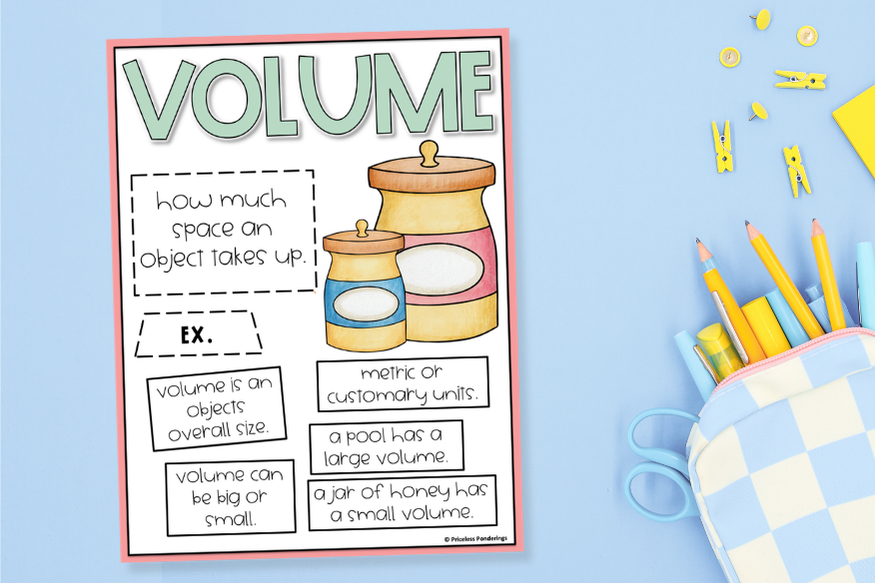
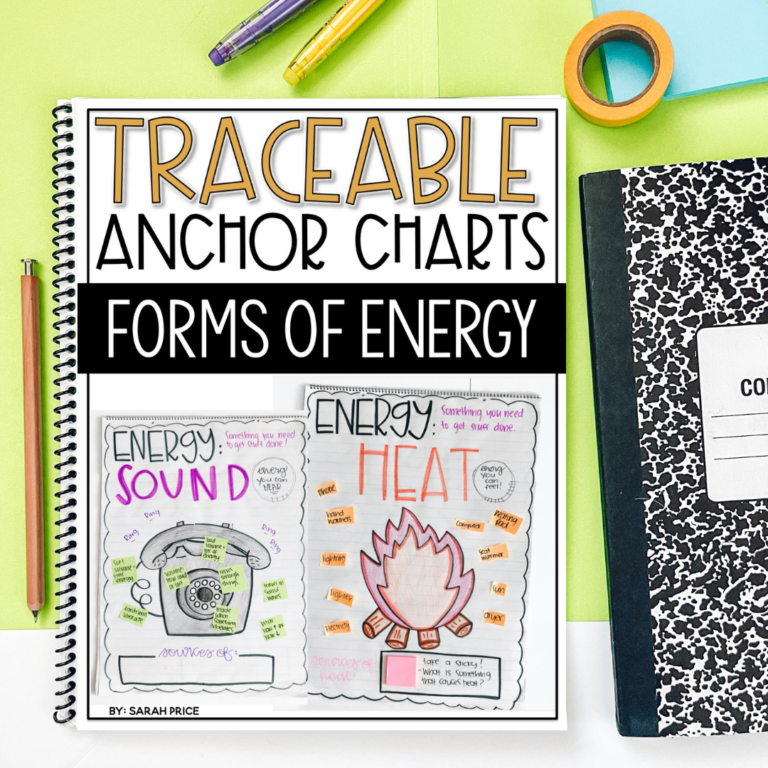
Anchor charts are not just colorful additions to the classroom; they’re powerful educational resources. They can help demystify the concept of liquid volume for our budding scientists. Picture this: a vibrant chart hanging on the wall, filled with visuals of measuring cups, spoons, and jugs alongside practical examples that bring the concept of liquid volume to life.
Anchor charts act as accessible references for students. They also allow students to draw connections between abstract measurement units like liters and gallons and their everyday experiences. Anchor charts are a great way for students to visualize smaller and larger units that may be abstract and hard to understand. Using visual aids can turn a challenging subject into an engaging, enjoyable part of your classroom’s structure. Plus, creating anchor charts is fun and enhances their understanding of liquid volume.
Need some ideas and inspiration on what anchor charts to make? Check out my Measuring Capacity and Liquid Volume Anchor Charts and Science Posters set. This set will add a pop of color and fun to your lesson plans!
Save Time with Interactive Worksheets
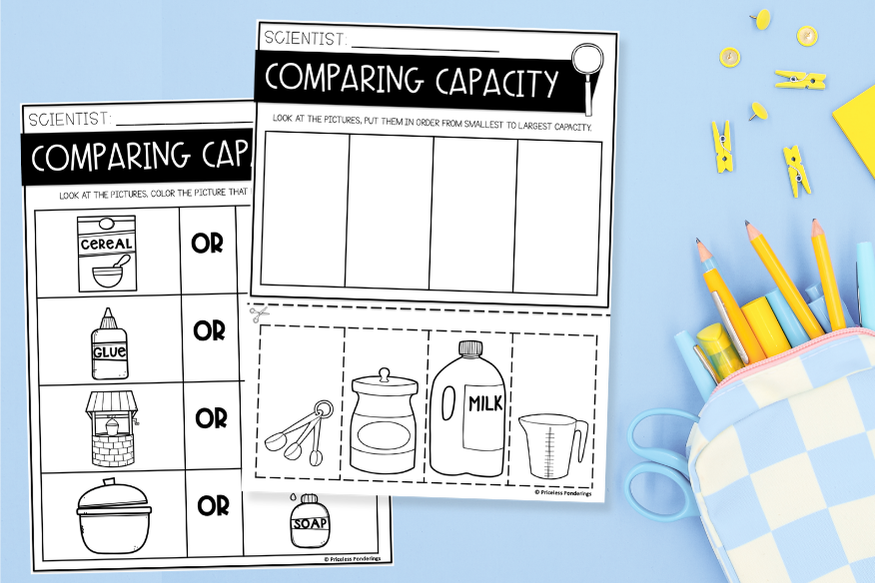
Another incredible learning tool when teaching liquid measurements is Interactive worksheets. They can offer a hands-on lesson while allowing for independent work and creativity at your student’s pace. Use colorful visuals, incorporate puzzles and games, and leave room for children to share their knowledge through drawings or writing. love using easy-to-print measuring liquid volume worksheets with my class! They offer the chance to practice problems and strengthen their understanding of the concept of volume.
If you’re looking for simple ways to make worksheets more engaging for your students, check out these easy strategies.
👉 7 Ways to Make Worksheets Engaging for Kids
Enhancing Math Skills with Word Problems
Liquid measures activities will also help students learn new vocabulary and improve their maths skills in measurement and comparison. These skills are transferable to many other parts of the curriculum. Try adding in some fun math worksheets that focus on different situations where students have to complete problems dealing with measurement conversions or questions that focus on real-world applications and estimation skills.
Measuring Liquid Volume Worksheets and More!
Teaching the basics of liquid measurement in your science class can create fun learning opportunities all year long while building students’ understanding of math and science concepts. If you need help with planning, this measuring liquid volume worksheet pack makes it easy to get started.
Ready to save time and make teaching liquid volume easier?
Grab the full set of measuring liquid volume worksheets here →