7 Soil Activities for Kids That Make Earth Science Easy
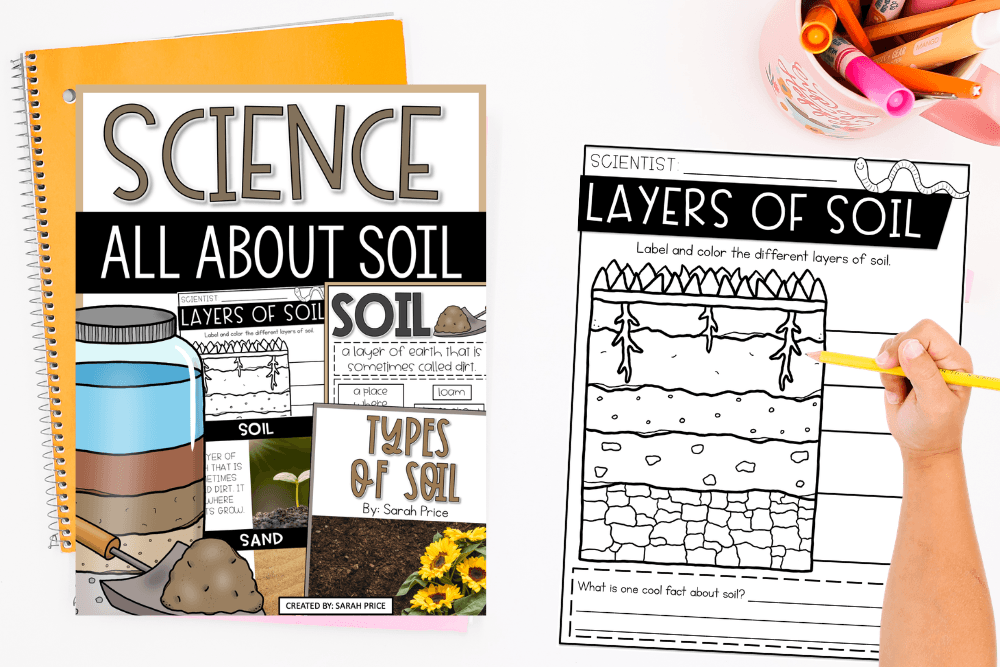
Teaching soil can be more than reading about dirt and calling it a day. With the right soil activities for kids, students can compare soil samples, explore layers of soil, learn soil vocabulary, and connect earth science concepts to the world around them. These seven soil activities are simple, hands-on, and easy to fit into your elementary science block without a ton of prep.
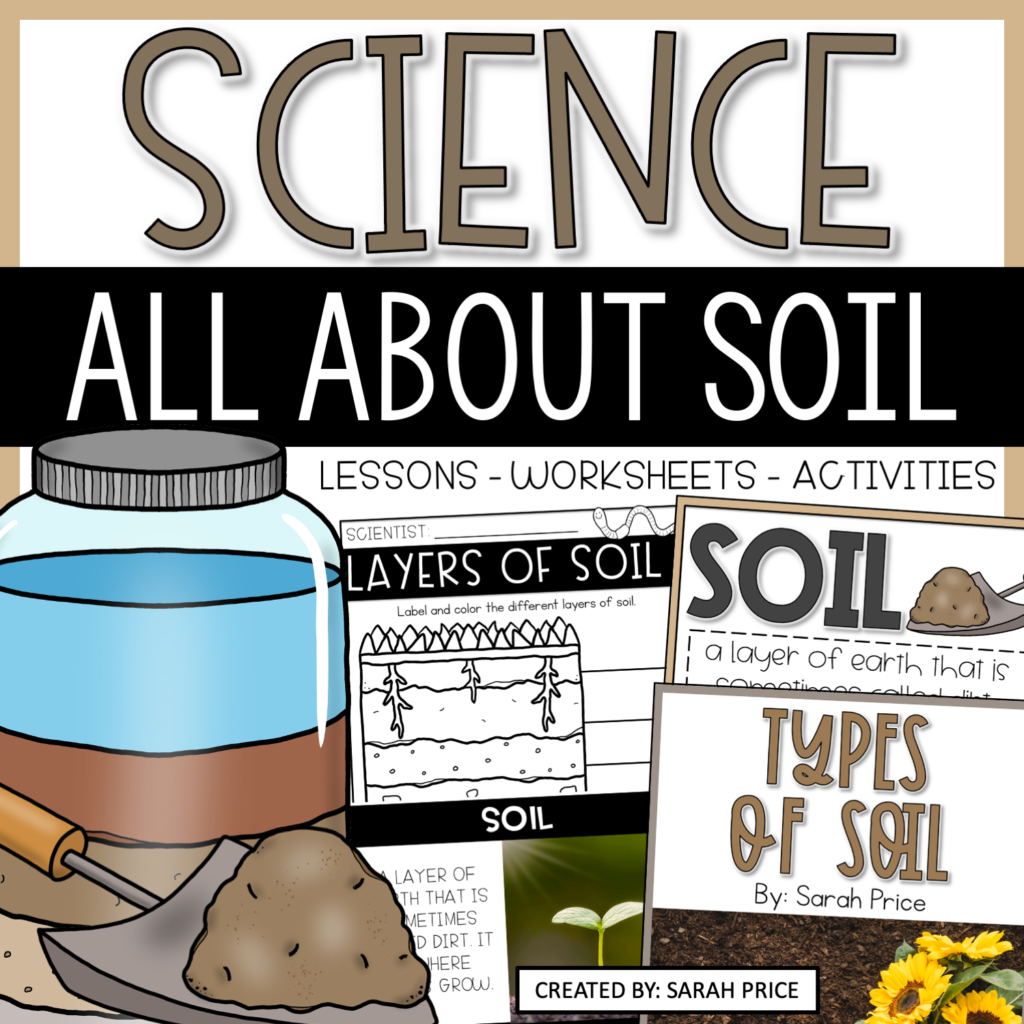
Looking for soil activities for kids that are already planned out? This Types of Soil and Layers of Soil Unit includes hands-on activities, printables, vocabulary, foldables, and lesson support so you can teach soil without starting from scratch.
1. Soil Sorting Activity
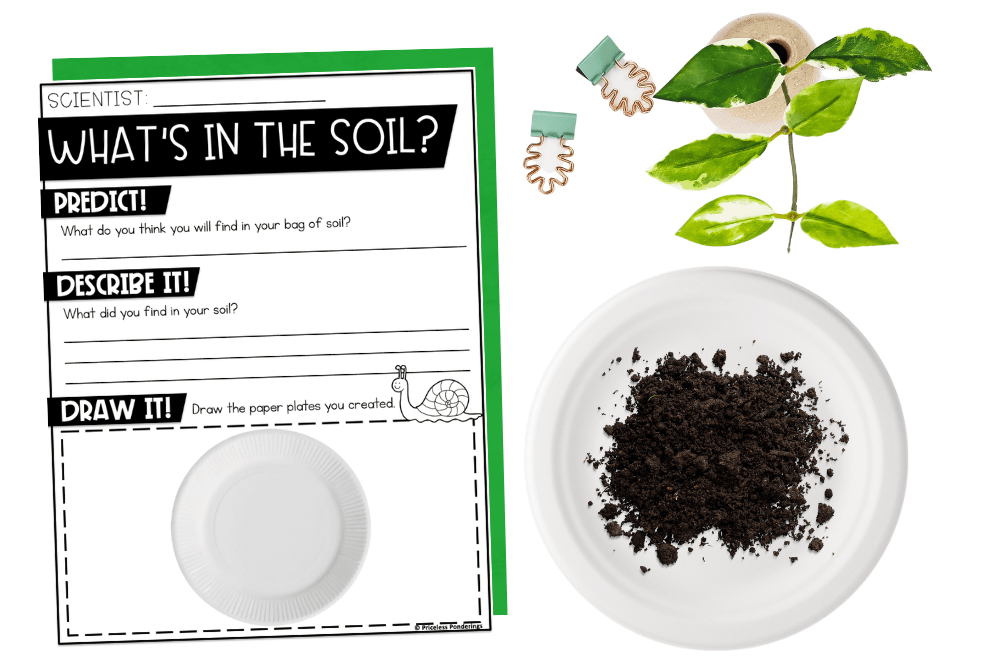
Doing a soil sorting activity is a great way to get your students to understand the composition of different soils. Start by providing each student with a cup of soil and a magnifying glass, then ask them to separate out any rocks or other items they find in the dirt. You can even provide them with a chart listing all the things they could potentially find in the soil so they can learn what goes into making it up.
2. Create Compost
When teaching younger kids about composting, it’s best to keep it simple by using items such as fruit peels and other organic materials that won’t take too long to break down into usable compost material. Have your students put their compost materials into an appropriate container (such as an old bucket or bin), add water to moisten it, stir it around every few days, and watch as it decomposes over time! This will help them understand how compost helps enrich the soil when gardening or farming.
3. Make a Soil Pie
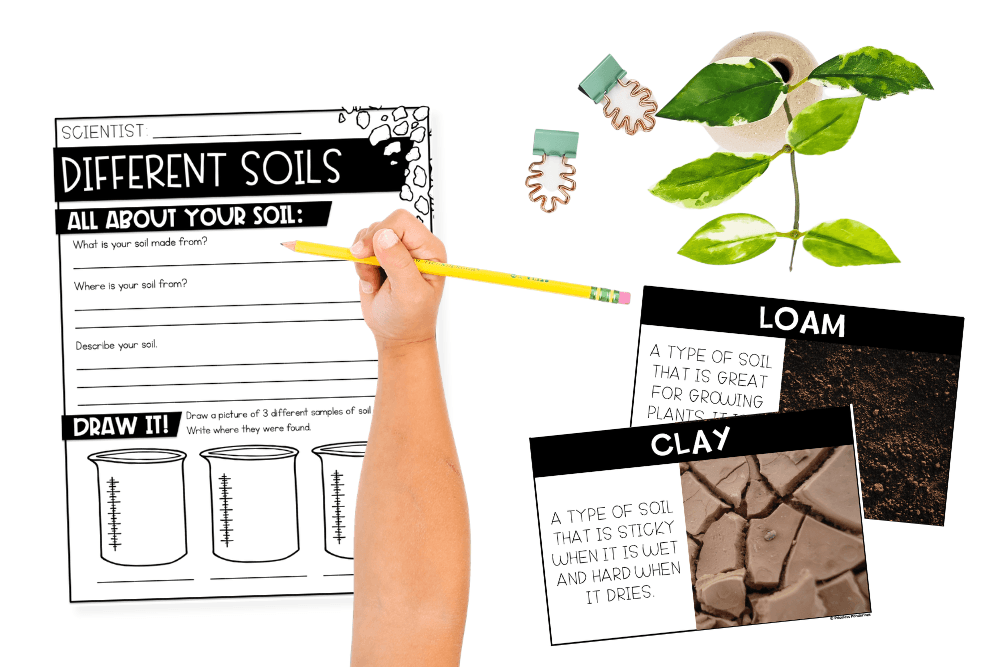
Start by having your students bring in different types of soil from home or outside the classroom (clay, sand, silt, soil). Have each student fill a pie tin with the different soils and then add water. The kids can then mix it up with their hands, creating a “soil pie” that looks like mud! Ask them questions about what they feel (e.g., Does this feel like clay? What does sand feel like? etc.).
You can also have them create anything from mini volcanoes (complete with “lava” flows) or miniature gardens complete with flowers made out of petals from fruits or vegetables they brought from home! Afterward, you can discuss why this type of earth is good for growing things like flowers or vegetables; then, have them wash off their hands before returning back to the classroom!
Need a simple way to plan your 2nd grade science year?
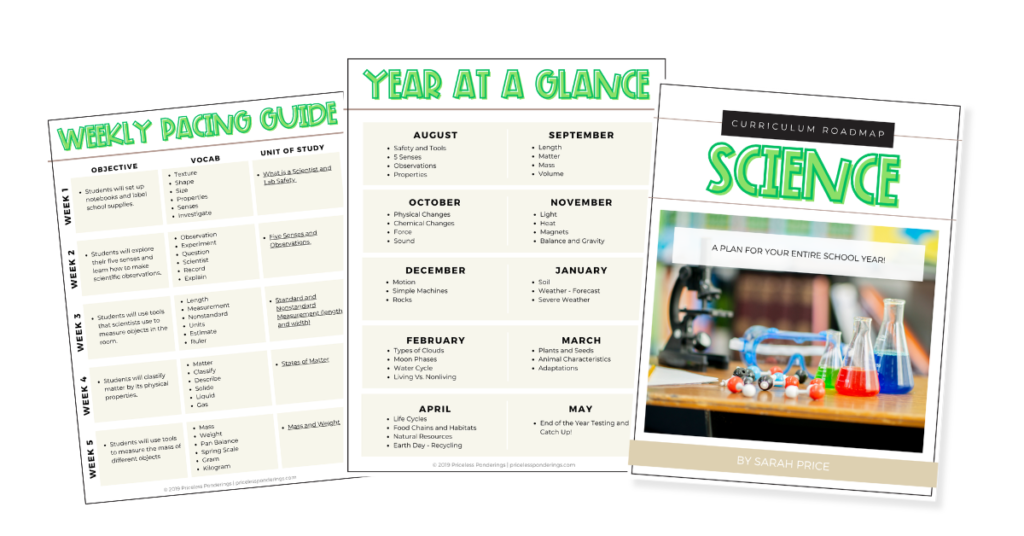
Grab my free 2nd Grade Science Curriculum Roadmap and map out your lessons with confidence—without the stress.
✔️ Know what to teach each month
✔️ Stay on track all year
✔️ Save hours of planning time
👉 Get your free 2nd Grade Science Curriculum Roadmap!
4. Build an Earthworm Farm
Earthworms play an essential role in recycling nutrients back into the soil, so building an earthworm farm is a great way to learn about worms and how they help create healthy soil for plants to grow in. You can make your own worm farm using recycled materials such as old egg cartons or plastic containers with holes drilled into them for air circulation. Once you have your worm farm, you can introduce worms into the container and watch as they start working on breaking down organic matter and enriching your soil!
Soil is also one of the natural resources students explore in 2nd and 3rd grade science. Check out these natural resources lesson plans for more hands-on ideas.
5. Explore Rocks and Minerals
Give each student several rocks or minerals (preferably those found locally) along with magnifying glasses so they can closely examine them for special features such as color variations, hardness levels, etc. Then have them draw pictures of what they see under the magnifying glass. This will help them become more familiar with the different types of rocks & minerals found in our local area & why they are essential components of different types of soil!
If your students enjoy exploring rocks and minerals, check out these 7 Engaging Rocks and Minerals Activities for Kids for more hands-on earth science ideas.
6. Do Soil Experiments
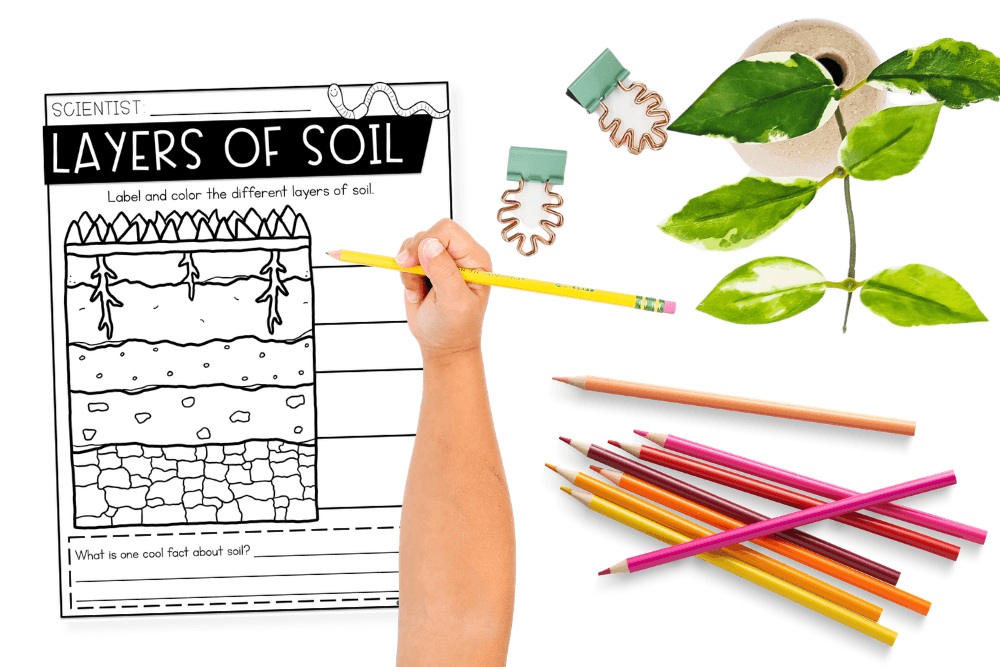
You can do many exciting experiments that focus on soil activities for kids. Experiments can help your students understand its properties better, such as testing for acidity level or finding out what type of material is present in the sample (e.g., gravel, clay particles). Doing these experiments will help show why some plants prefer certain types of soils over others, which leads us directly into our next activity…
Need this ready to print? The Types of Soil and Layers of Soil Unit includes activities for types of soil, layers of soil, vocabulary, and hands-on science notebook pieces — all ready to go.
7. Identify Different Plants’ Needs
Have your students research what type of soil certain plants need in order to thrive (for example, tomatoes need well-draining sandy loam, while cacti prefer dry sandy soils). Then have them look at pictures of the different kinds of soils to see which ones match up best with each type of plant! This activity will give your students an understanding of how important it is for plants to be planted in the right kind of environment if they are going to survive and flourish.
If your students are curious about what plants need to thrive, these parts of a plant activities are a great next step.
There are many ways teachers can create soil activities for kids, such as doing sorting activities, planting seeds, creating compost piles, making mud pies & exploring rocks & minerals found nearby! By allowing students opportunities for hands-on experiences while learning new concepts such as these, we not only build knowledge but also foster an understanding that will stick better in their minds than just hearing lectures on any given subject matter!
Soil activities for kids
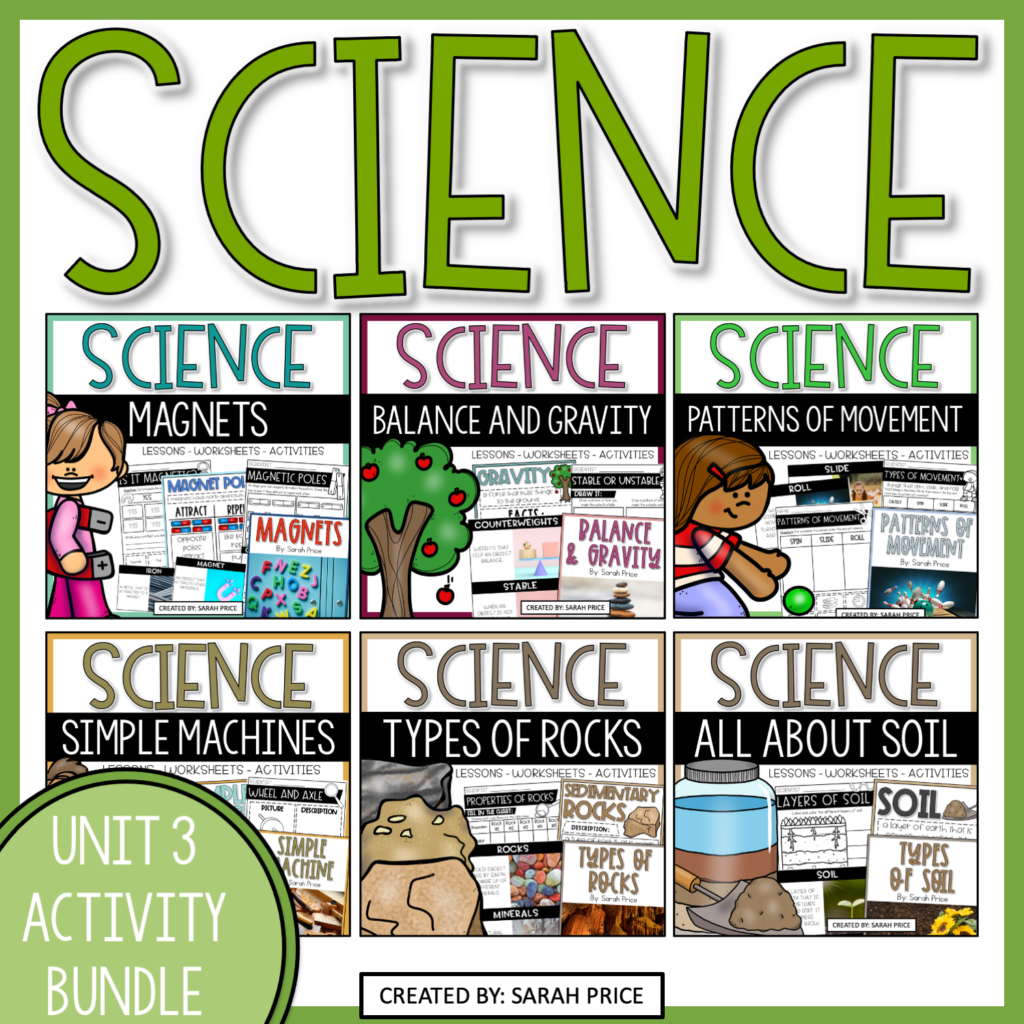
Want more earth science and physical science activities in one place? The Science Interactive Notebook Bundle gives you ready-to-use notebook activities for soil, rocks, magnets, gravity, simple machines, and more.